Efficiency · 6 calculators
Home efficiency: what each upgrade is worth in your state
The yearly dollar difference and the payback for common upgrades, at your state's climate and energy prices, with the formula on the page.
Upgrades with a price tag





How these calculators work
Efficiency upgrades are sold in percentages. These calculators turn them into dollars for your house, in your climate, at your energy prices, and then divide the price of the job by those dollars to get a simple payback. Some paybacks are short; some are longer than the house will last. We show both.
The cheapest wins are small. Swapping thirty 65 W bulbs for 10 W LEDs in a California home that keeps them on 5 hours a day is worth an estimated $963.60 a year, and $3 bulbs cover their cost in about a month. Standby power is the same kind of check: a cable box, a console, a desktop and a TV idling at 39 W come to about $109.32 a year at California's rate.
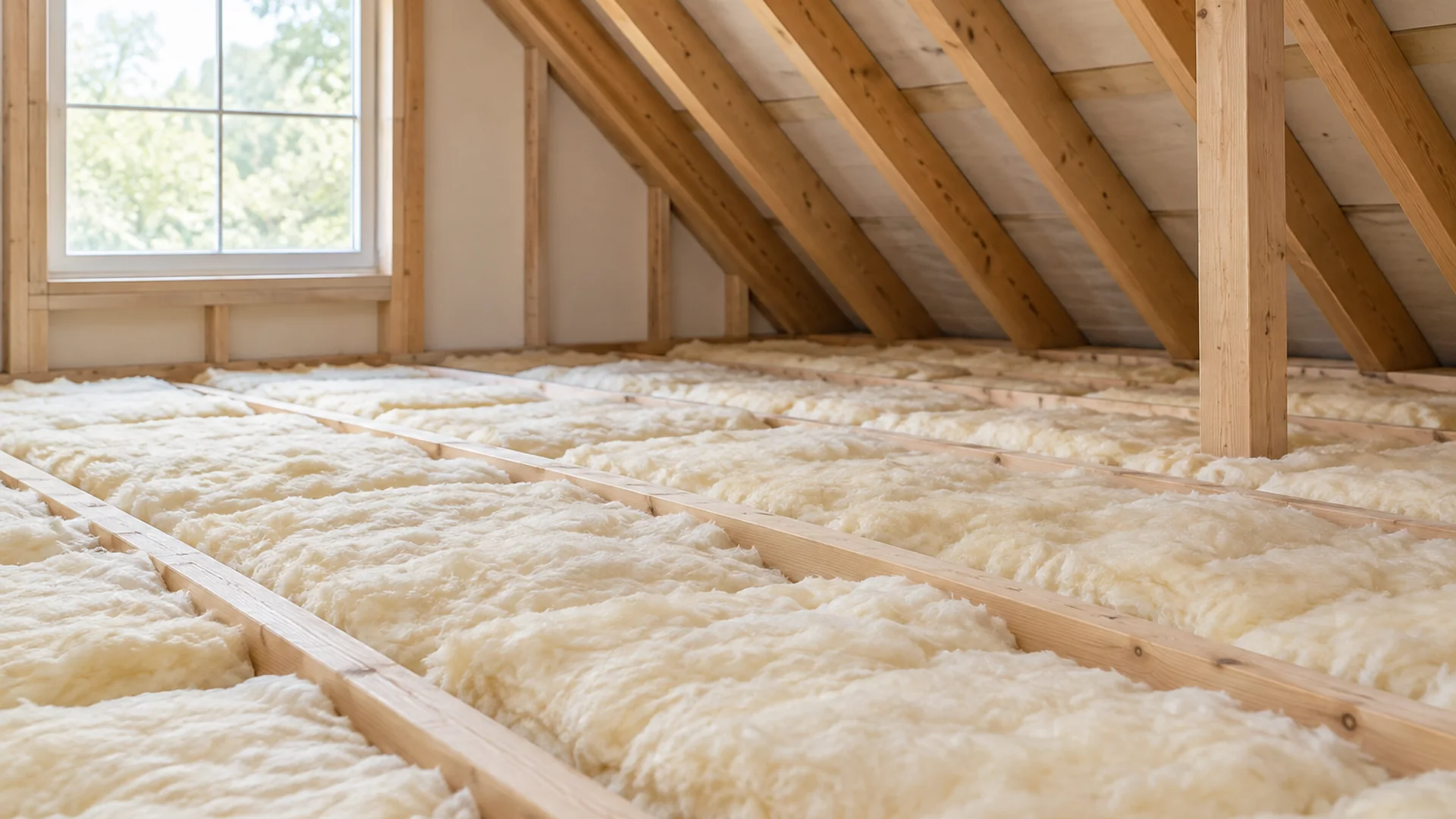
Insulation depends on the climate. Heat loss through an attic falls with 1 ÷ R, so the first inches do most of the work, and cold states with many heating degree-days see the most. In Minnesota, going from R-7 to R-60 over 1,200 sq ft is worth about $379.49 a year, a 7.4-year payback; in Texas, topping up R-19 to R-38 takes about 27 years.
Windows are the honest case. Replacing 15 older double-pane windows in Texas is worth about $85.69 a year in energy against $12,750 of work. Energy rarely pays for new windows on its own; comfort, noise and the home's value do.
Not sure where you stand? The benchmark page compares your yearly kWh per square foot with a typical home in your climate zone from the EIA's RECS 2020 survey.
All results are estimates, never a promise of savings. The federal 25C and 25D tax credits ended for installations after Dec 31, 2025; state rebates, HEAR/HOMES programs and utility programs may still apply.